
January 2026 – Trees and Forest
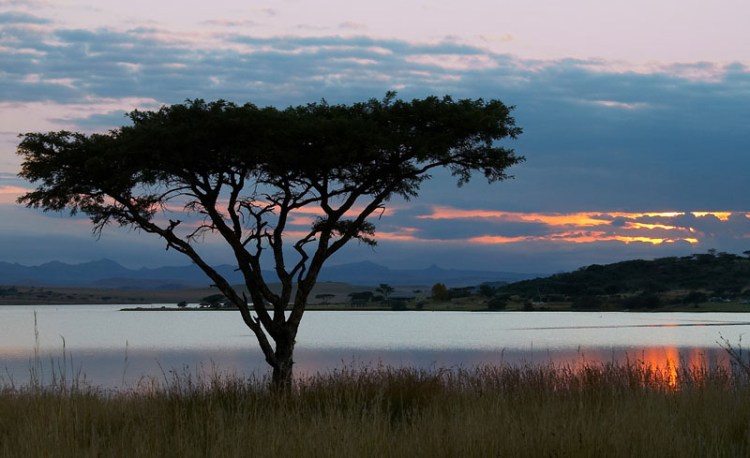
An image in this category must place trees, a woodland, or a forest environment as the principal subject. The intention is to capture
the characteristic form, structure, density or atmosphere of trees and/or forest landscapes. This may include lone trees, rows of trees, forest interiors or forest edges, and may explore light, shadow, texture, seasonal change, or aerial/tree-canopy views. Although human or animal presence is permitted, it must not dominate
the image: the trees or forest remain the primary subject. Manipulations are permitted provided the photograph remains a truthful representation of the original scene. The image should reflect strong composition, visual impact and good craft consistent with PSSA judging criteria.
February 2026 – Spirals in Nature

This category requires the photographer to seek out naturally occurring spiral formations – for example in plants (fern fronds, tendrils), shells, waves, ripples, geological patterns, vines or growth forms and to present them in a visually strong manner. The spiral may be the dominant structure, or may form part of a composition emphasizing pattern, repetition, form or rhythm. Manipulation is allowed so long as the final image is legitimately derived from a scene captured by the photographer and retains photographic integrity.
March 2026 – High or Low Key
The image must clearly demonstrate either a high-key style (predominantly light tones, minimal shadows, bright ambience) or a low-key style (predominantly dark tones, strong shadows, minimal bright areas) and that style must be purposeful and evident. The subject matter is otherwise open, but the lighting/tonal treatment must define the mood. Manipulation is allowed to emphasize the chosen key, provided the original capture remains the basis and the image is not entirely fabricated.
April 2026 – Still Life
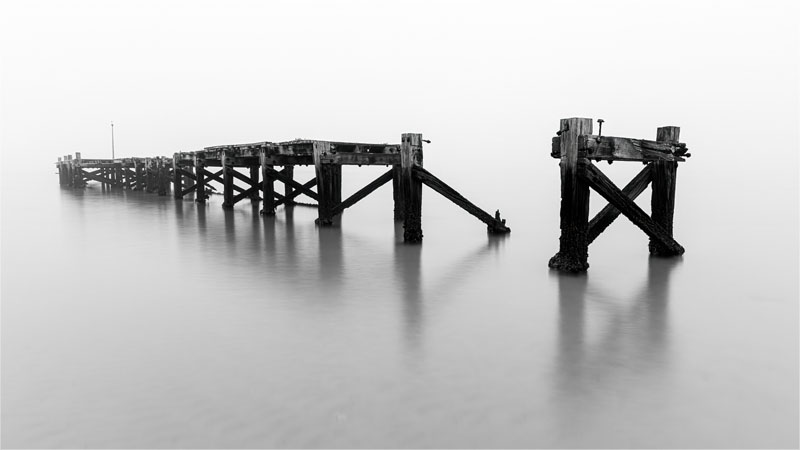
Still Life encompasses images of inanimate objects arranged or found, used to express mood, form, texture, lighting and composition. Subjects may be natural, man-made, or a mixture thereof; they may be set up in a studio or found in situ. The photographer has creative control over arrangement, lighting, background and composition. Manipulation is permitted as long as the author retains copyright, the component parts were photographed by the author, and the result remains photographic
May 2026 – A Lighthouse
The image must feature a lighthouse as the principal subject, whether in a coastal, cliff, harbor or remote location context. The environment (sea, sky, rocks, storm, sunset) can contribute but must not overshadow the lighthouse’s role as the main element. Manipulations are allowed to enhance atmosphere and mood, provided the lighthouse and its context were photographed by the author and the result remains recognizably photographic.
June 2026 – A Cell Phone Street Photography
This category is dedicated to street photography captured with a mobile phone; the image must have been made using a smartphone or tablet camera. The image should depict an authentic interest, or urban detail. Manipulation is allowed, but the capture must be made with the phone, and the image must reflect spontaneity and authenticity rather than a staged or heavily composite scene.
July 2026 – Human Portraits
This category centers on photographs of humans, where the person(s) is the dominant subject and the image conveys personality, mood, character or story. Portraiture may range from traditional head-and-shoulders to full-length environmental portraits. Manipulation is allowed, if the subject’s integrity is respected, and the image remains fundamentally photographic. The image should reflect technical craft and artistic interpretation consistent with PSSA standards.
August 2026 – Flowers
The main subject of the image must be one or more flowers. The photograph may explore macro/detail, environment, or artistic abstraction. The photographer should emphasize color, form, texture, lighting and composition. Manipulation is permitted when consistent with open/manipulation-allowed categories, provided the component imagery was captured by the author.
September 2026 – Black & White
The final image must be monochrome, including only shades of grey from black to white (or a single-toned variant). The subject matter is unrestricted but the emphasis shifts to tonal contrast, texture, form, composition and light rather than color. Manipulation is allowed as long as the result remains photographic, and the author retains copyright of the original capture.
October 2026 – Night Photography
Images must be made after dusk or in low-light conditions. The challenge is to demonstrate control of exposure, light capture, creative use of ambient/artificial light, shadow and motion, while maintaining clarity of subject and composition. Manipulation is allowed in line with open category standards if the photograph was captured by the author and retains photographic integrity.
November 2026 – Bell Books & Candle
A creative thematic category inspired by the symbolic triad of bell, book(s) and candle. The image must incorporate one or more of these elements literally or metaphorically. The photographer is encouraged to interpret the theme imaginatively. Manipulations are permitted provided that all captured content is by the author and the result remains photographic.
December 2026 – Gala evening
Send in your 5 to 10 best images for the year to be added to the slideshow.
January 2025 – The Beach
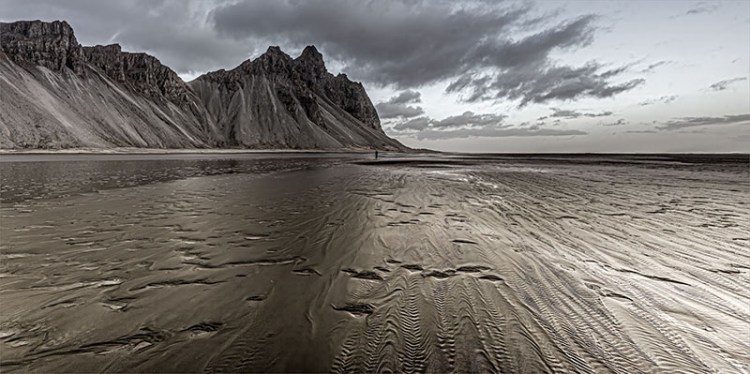
The beach is a captivating subject for photography, offering a dynamic blend of natural beauty and human interaction. From the serene expanse of the shoreline to the rhythmic dance of waves, the beach provides endless opportunities for stunning visuals. Photographers can capture the tranquil moments of early morning light casting a golden hue over the sand, the playful antics of children building sandcastles, or the dramatic interplay of shadows and light during sunset. The beach also serves as a backdrop for candid portraits, where the vastness of the ocean can evoke a sense of freedom and introspection. Whether it’s the intricate patterns left by the receding tide, the vibrant colors of beach umbrellas and towels, or the ethereal beauty of seashells and driftwood, the beach is a treasure trove of photographic inspiration.
February 2025 – The Progress of Time
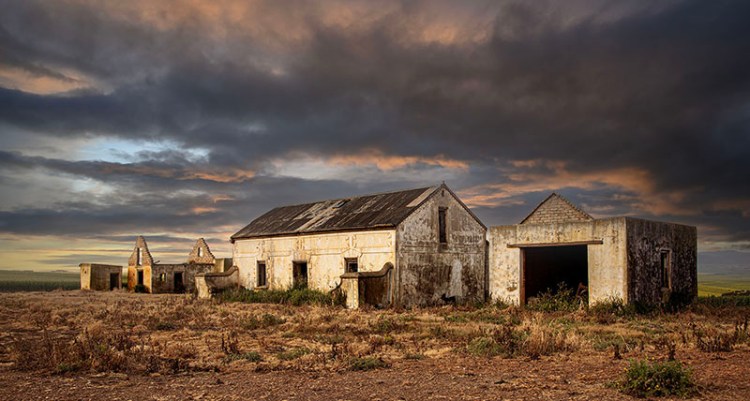
The progress of time is a profound and evocative subject for photography, capturing the essence of change and continuity. Photographers can explore this theme by documenting the passage of time through long-exposure shots of bustling cityscapes, where the blur of moving vehicles and lights creates a sense of motion and transience. Alternatively, they can focus on the subtle changes in nature, such as the gradual transformation of a landscape with the seasons, the aging of trees, or the slow erosion of a coastline. Time-lapse photography is another powerful tool, compressing hours, days, or even years into a few seconds to reveal the dynamic processes that shape our world. By capturing these moments, photographers can convey the fleeting nature of existence and the enduring beauty of the world around us.
March 2025 – Street Photography
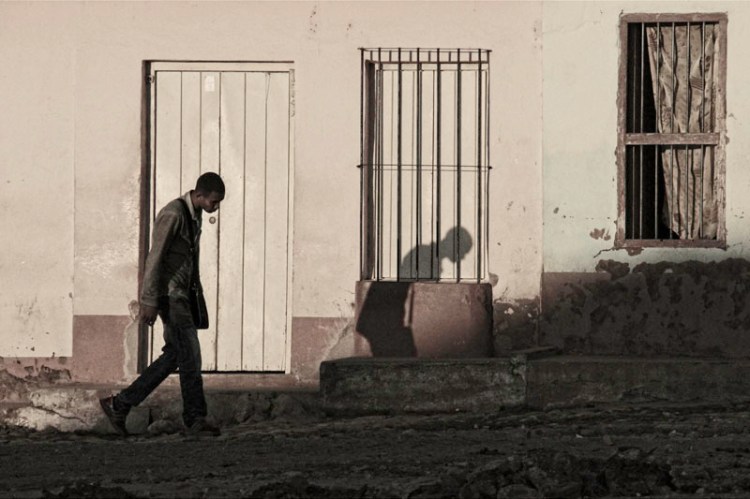
Street photography is a vibrant and dynamic genre that captures the essence of everyday life in urban environments. It involves documenting spontaneous moments, candid expressions, and the hustle and bustle of city streets. Photographers often focus on the interactions between people, the architectural beauty of the surroundings, and the unique character of different neighborhoods. Street photography requires a keen eye for detail, patience, and the ability to anticipate the perfect moment. Whether it’s the laughter of children playing, the weary expression of a passerby, or the colorful chaos of a market, street photography tells the stories of ordinary life, revealing the beauty and complexity of the world around us.
April 2025 – Macro
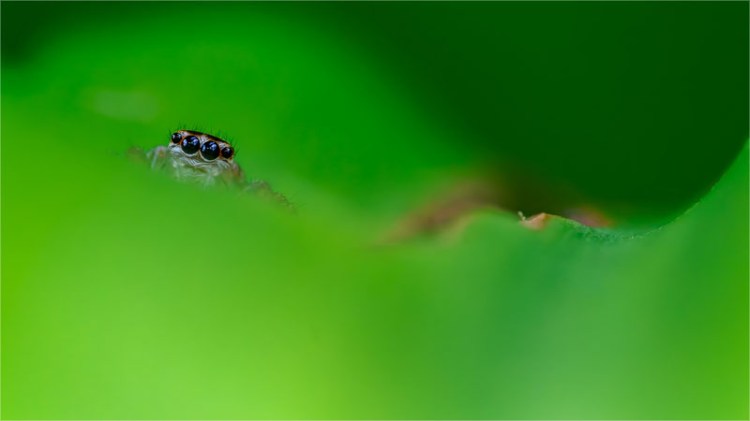
Macro photography is a fascinating genre that reveals the intricate beauty of the world often overlooked by the naked eye. By focusing on small subjects, such as flowers, insects, and everyday objects, photographers can capture stunning details and textures that are both mesmerizing and educational. Macro lenses allow for extreme close-ups, highlighting the delicate veins of a leaf, the iridescent colors of a butterfly’s wings, or the intricate patterns on a piece of jewelry. This type of photography requires precision, patience, and a deep appreciation for the tiny wonders of nature and the man-made world. Macro photography invites viewers to see the familiar in a new light, discovering the extraordinary in the ordinary.
May 2025 – A South African Landscape
A South African landscape offers a rich tapestry of natural beauty and cultural diversity, making it an exceptional subject for photography. From the majestic Table Mountain in Cape Town to the rolling vineyards of the Western Cape, the rugged Drakensberg mountains, and the vast savannahs of the Kruger National Park, South Africa’s landscapes are as varied as they are breathtaking. Photographers can capture the vibrant colors of the Namaqualand flowers in spring, the serene beauty of the Garden Route, or the dramatic rock formations of the Blyde River Canyon. The diverse wildlife, from elephants and lions to the elusive leopard, adds an element of excitement and unpredictability to wildlife photography. South Africa’s landscapes tell a story of natural splendor and resilience, offering endless opportunities for stunning and evocative images.

June 2025 – Abstract

Abstract photography is a genre that transcends traditional representation, focusing instead on shapes, colors, patterns, and textures to create visually compelling images. By isolating elements of a subject or using creative techniques such as long exposures, intentional camera movement, and unique perspectives, photographers can transform ordinary scenes into extraordinary compositions. Abstract photography encourages viewers to interpret the image in their own way, evoking emotions and thoughts without relying on recognizable forms. This genre allows for boundless creativity and experimentation, making it a powerful medium for expressing artistic vision and exploring the beauty of the unexpected.
July 2025 – Humour
Humour in photography is all about capturing those unexpected, spontaneous, and often whimsical moments that bring a smile to our faces. It can be found in the playful expressions of children, the amusing antics of pets, or the quirky juxtapositions of everyday objects. Photographers can use clever compositions, funny props, or humorous situations to create images that entertain and delight. Whether it’s a dog dressed as a superhero, a child making a funny face, or a humorous street sign, humour in photography adds a lighthearted touch to the visual narrative, reminding us not to take life too seriously and to find joy in the little things.
August 2025 – Creatures
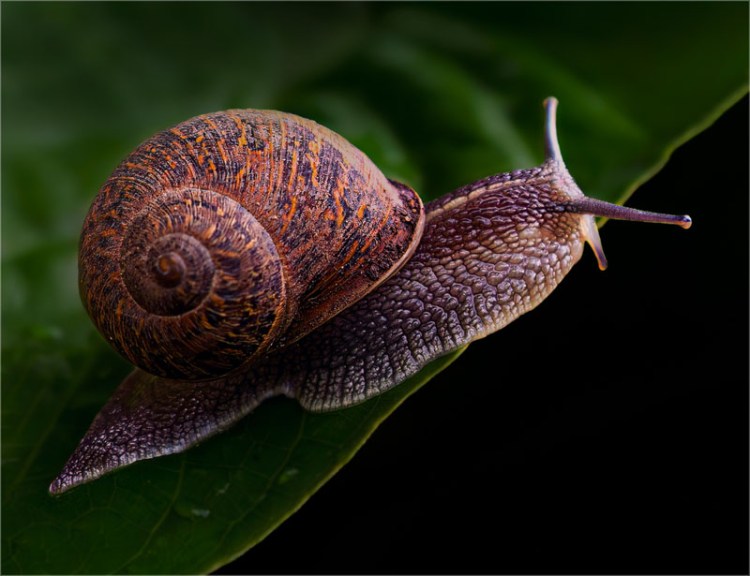
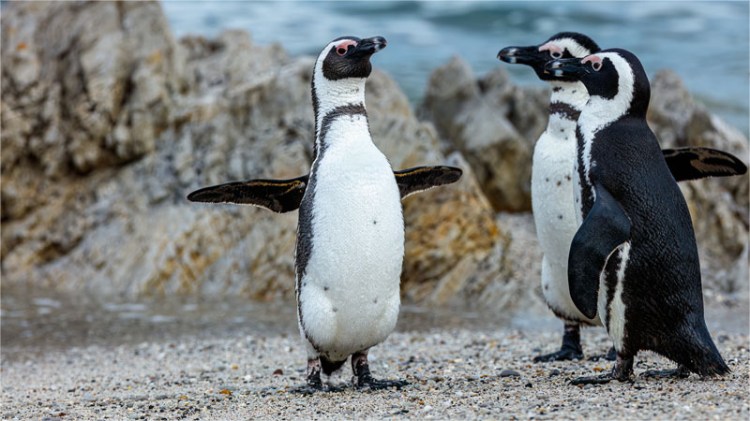
Photographing creatures, whether they are domestic pets, wild animals, or fascinating insects, offers a captivating glimpse into the diverse and intricate world of wildlife. Capturing the essence of these creatures involves patience, a keen eye for detail, and an understanding of their behavior. Photographers can document the majestic flight of an eagle, the curious gaze of a cat, or the delicate intricacies of a butterfly’s wings. Macro photography can reveal the hidden beauty of tiny creatures, while wildlife photography often requires a blend of stealth and respect for the animal’s natural habitat. Whether it’s the playful antics of a puppy, the regal presence of a lion, or the vibrant colors of a coral reef, photographing creatures allows us to appreciate the beauty and complexity of the animal kingdom.
September 2025 – Movement
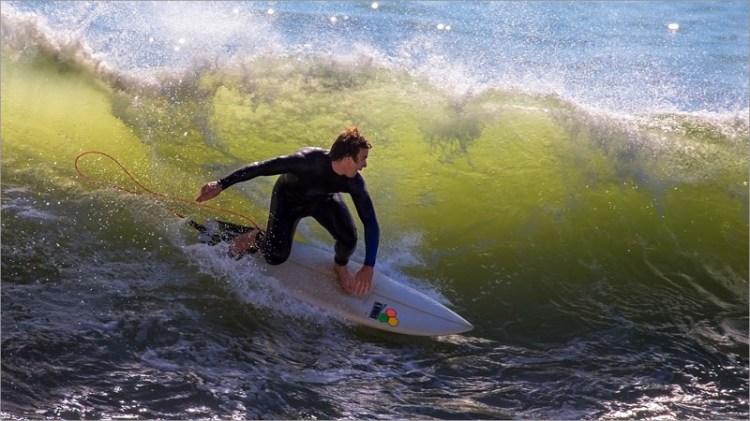
Capturing movement in photography is all about freezing a moment in time to convey a sense of action and dynamism. Photographers can achieve this through techniques such as panning, where the camera follows a moving subject to create a sharp subject against a blurred background, or by using fast shutter speeds to freeze motion in sports and wildlife photography. Long exposures can also be employed to capture the flow of water, light trails of cars, or the graceful motion of dancers. Movement in photography adds energy and life to an image, allowing viewers to feel the motion and emotion of the scene. Whether it’s the rush of a surfer riding a wave, the elegance of a bird in flight, or the hustle and bustle of a busy street, movement brings a sense of vitality and excitement to photographic art.
October 2025 – BOKEH

Bokeh, a term derived from the Japanese word for “blur” or “haze,” refers to the aesthetic quality of the out-of-focus areas in a photograph. It is often used to create a pleasing, soft background that helps to isolate and highlight the main subject. Photographers achieve bokeh by using a shallow depth of field, typically with a wide aperture (low f-number), which causes the background to become blurred while keeping the subject sharp. The shape and quality of bokeh are influenced by the lens diaphragm, with some lenses producing more pleasing and circular bokeh, often referred to as “bokeh balls.” Bokeh adds a sense of depth and dimension to images, making it a popular technique in portrait, macro, and landscape photography to create visually striking and artistic compositions.
November 2025 – A Colour or Colours
Focusing on a single color or a harmonious palette of colors can create visually striking and cohesive photographs. Photographers can explore the emotional and psychological impact of colors, using them to convey mood and atmosphere. For instance, a monochromatic image using various shades of blue can evoke a sense of calm and tranquility, while vibrant reds and oranges might convey energy and warmth. Experimenting with complementary colors, such as blue and orange or purple and yellow, can create dynamic and visually appealing compositions. By isolating or emphasizing specific colors in their work, photographers can guide the viewer’s eye and evoke a deeper emotional response, transforming ordinary scenes into captivating visual stories.

December 2025 – Light and Shade
Light and shade are fundamental elements in photography, creating depth, contrast, and mood in an image. Photographers use the interplay of light and shadow to highlight textures, shapes, and details, adding a three-dimensional quality to their work. By manipulating lighting conditions, such as the soft, diffused light of golden hour or the harsh, dramatic shadows of midday sun, photographers can evoke different emotions and atmospheres. The careful balance of highlights and shadows can draw attention to the main subject, create a sense of mystery, or convey a particular time of day. Mastering light and shade allows photographers to transform ordinary scenes into visually compelling and evocative compositions.
 Helderberg Photographic Society